CANNED FOOD IMPORTERS AROUND THE WORLD
Browse selected importers and distributors of canned, preserved and shelf-stable food products, organised by country.
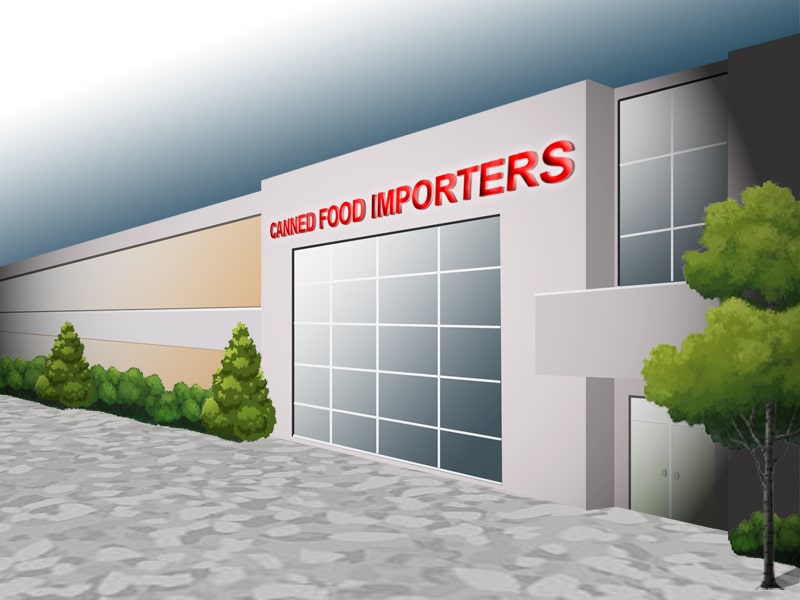
Finding suitable food importers can be difficult because general web searches often return mixed, outdated or irrelevant results. This directory is organised country by country and focuses on companies involved in the import and distribution of canned, preserved and other shelf-stable food products.
For exporters and manufacturers, identifying reliable distributors is an important first step toward developing new markets. Each country page contains selected companies and links intended to simplify preliminary market research.
Are you a food importing or distribution company? You may contact us to report your website and provide a short description of your activity for possible inclusion in the directory.
Canned food importers by country


















































































How to evaluate a distributor: useful KPIs
- Sales performance: total turnover, category turnover, sales trend and growth potential.
- Warehouse and stock capacity: ability to keep fast-moving products available and manage efficient deliveries.
- Product portfolio: complementary brands can strengthen the offer; competing brands require closer assessment.
- Sales channels: online and offline presence, customer segments and channels served.
- Geographical coverage: regional, national or international reach and actual market penetration.
- Internal organisation: dedicated salespeople, marketing resources and customer-service capacity.
- Marketing proactivity: website, social media, trade fairs, newsletters, catalogues and shared promotional planning.
- Strategic fit: cultural and commercial alignment, reputation, service quality, financial solidity and languages spoken.