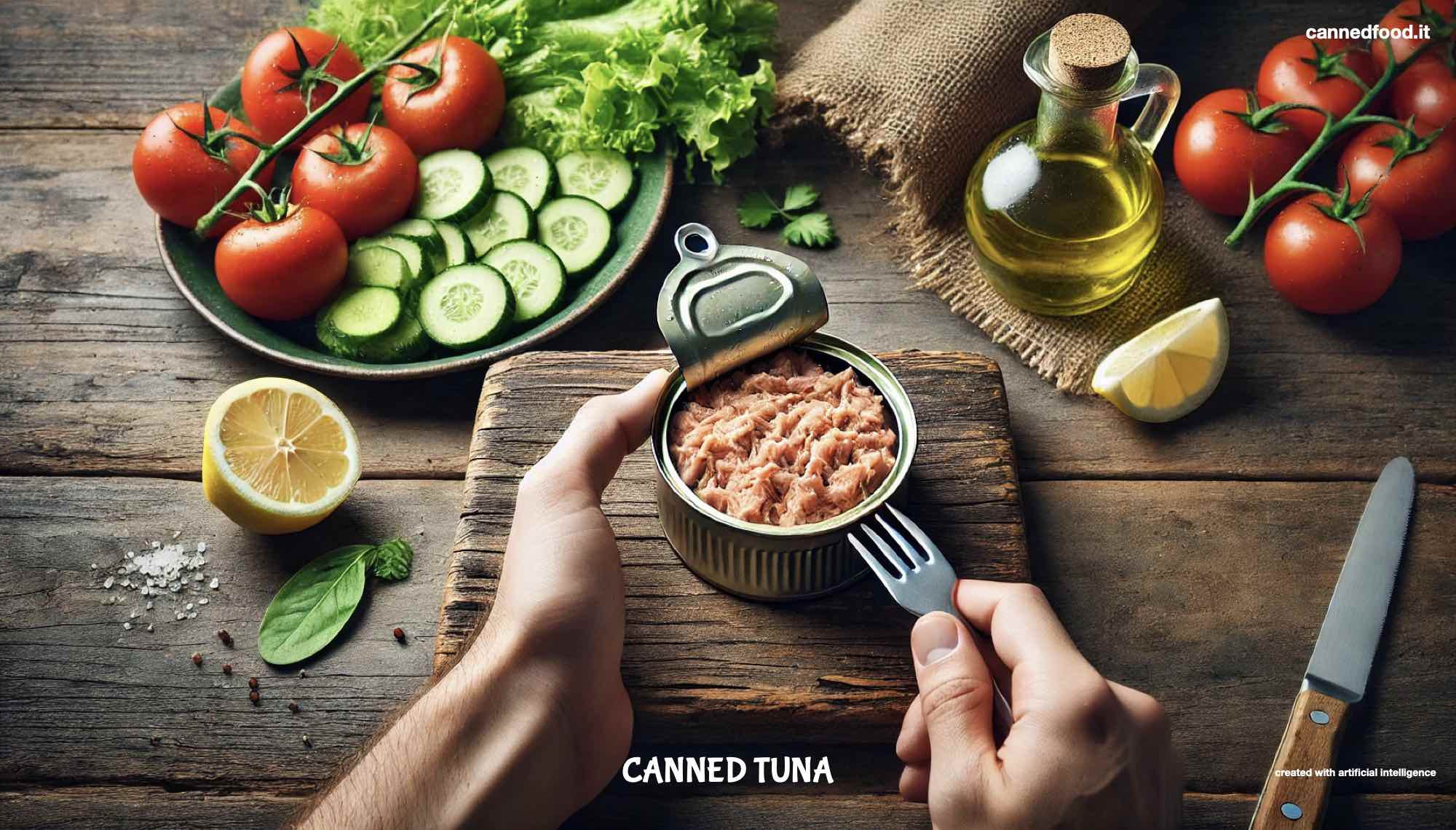
Canned Tuna Manufacturers & Producers Worldwide
First canned in the early 20th century, tuna has since become one of the most popular fish worldwide. It is a versatile ingredient commonly found in salads, pasta sauces and sandwiches. Highly valued in modern diets, tuna is low in calories yet rich in omega-3 fatty acids, essential vitamins and high-quality proteins.
The global canned tuna market size was valued at USD 18.76 billion in 2022 and is expected to expand at a compound annual growth rate (CAGR) of 4.5% from 2023 to 2030.
The industry is expected to be influenced by changing consumer preferences for seafood in various cuisines, due to its abundance in proteins, vitamins and minerals. The convenience and economic value of canned tuna are additional factors supporting market demand.
According to Grand View Research, the global canned tuna market is segmented by product, including skipjack and yellowfin, by distribution channel and by region. The COVID-19 pandemic also affected the market, as consumers stocked up on non-perishable food items, including canned tuna.
According to FAO GLOBEFISH statistics, Thailand, Ecuador, China, Indonesia and the Philippines are among the largest exporters of canned tuna, while the European Union, the United States and Japan are among the largest consumers.
Source: Grand View Research
Source: EMR
Tuna Fishing Areas – FAO Codes and Origin
Tuna used in canned seafood products is caught across several major fishing areas worldwide, particularly in the Pacific, Indian and Atlantic Oceans.
The FAO fishing area classification helps identify the geographical origin of catches and supports fisheries statistics and seafood traceability.
Important tuna fishing areas include FAO 71 and 77 in the Pacific, FAO 51 and 57 in the Indian Ocean, and several Atlantic fishing areas.
Fishing area codes alone do not determine seafood quality or sustainability. Tuna species, stock status, fishing methods and fisheries management must also be considered.
Explore the FAO Fishing Areas Guide








How to Choose the Best Canned Tuna
Choosing the best canned tuna depends on several factors, including tuna species, meat texture, packing medium, product quality and intended use. Canned tuna is available in different varieties for retail, foodservice and industrial markets.
Understanding these differences can help consumers select suitable products and assist importers, distributors and professional buyers in evaluating canned tuna specifications.
Main Types of Canned Tuna
Several tuna species are used in the canning industry. Among the most commercially important are skipjack, yellowfin and albacore tuna. Their characteristics influence flavour, colour, texture and product positioning.
| Tuna Species | Characteristics | Common Applications |
|---|---|---|
|
Skipjack Tuna Katsuwonus pelamis |
Relatively dark meat, pronounced flavour and generally affordable positioning. | Retail canned tuna, flakes, chunks and foodservice products. |
|
Yellowfin Tuna Thunnus albacares |
Firm texture, relatively mild flavour and light-coloured cooked meat. | Solid tuna, chunks, retail and foodservice products. |
|
Albacore Tuna Thunnus alalunga |
Light-coloured meat, mild flavour and relatively firm texture. | White tuna products and premium retail selections. |
Canned Tuna in Olive Oil, Vegetable Oil, Water or Brine
The packing medium influences the flavour, nutritional composition and culinary applications of canned tuna.
Tuna in olive oil is particularly appreciated in Mediterranean markets. Olive oil contributes flavour and richness, making this presentation suitable for salads, pasta dishes and ready-to-eat preparations.
Tuna in vegetable oil is another widely marketed option, with characteristics depending on the type of oil used.
Tuna in water or brine is commonly selected when a product without added oil is preferred. Sodium content may vary significantly according to the formulation.
Solid Tuna, Chunks and Flakes
Commercial canned tuna is available in different presentations, depending on the size and arrangement of the fish pieces.
- Solid tuna: larger pieces of tuna, generally selected for products where appearance and texture are important.
- Chunk tuna: smaller pieces suitable for salads, sandwiches and general food preparation.
- Tuna flakes: finely separated pieces commonly used in sandwiches, prepared meals and foodservice applications.
Product descriptions and commercial definitions should be checked against the applicable standards and regulations of the destination market.
How to Evaluate Canned Tuna Quality
Evaluating canned tuna quality requires consideration of several characteristics, including the declared species, appearance, texture, flavour, ingredients and drained weight.
Packaging integrity, traceability and correct product labelling are also important factors. Professional buyers should request detailed product specifications and appropriate food safety documentation from suppliers.
Sustainability considerations may include fishing methods, stock status, sourcing transparency and independently verified certification schemes, where applicable.
Buying Canned Tuna for Import and Distribution
Importers, wholesalers and foodservice distributors should evaluate canned tuna suppliers according to product specifications, production capacity, packaging options and commercial conditions.
Common purchasing considerations include:
- Tuna species and product presentation.
- Packing medium and drained weight.
- Can sizes and packaging formats.
- Private-label manufacturing availability.
- Minimum order quantities and lead times.
- Food safety certifications and traceability.
- Labelling and import requirements.
Buyers should also verify compliance with applicable food safety, customs and labelling regulations in their destination markets.
The CannedFood.it directory above provides access to canned tuna manufacturers and processors in different countries, helping international buyers identify potential suppliers for further evaluation.
Frequently Asked Questions About Canned Tuna
What is the best type of canned tuna?
The best type depends on personal preferences and intended use. Skipjack is widely used in everyday canned tuna products, while yellowfin and albacore are often selected for their particular texture and flavour.
What is the difference between skipjack and yellowfin tuna?
Skipjack generally has darker meat and a more pronounced flavour. Yellowfin typically offers a firmer texture and a milder taste. Both species are widely used in commercial canned tuna production.
Is canned tuna in olive oil better than tuna in water?
Neither is universally better. Tuna in olive oil provides a richer flavour, while tuna in water contains no added oil. The choice depends on dietary preferences, culinary applications and product specifications.
What should importers check when buying canned tuna?
Importers should verify tuna species, product specifications, net and drained weights, packaging, traceability, food safety documentation and compliance with destination-market regulations.
How can buyers find canned tuna manufacturers?
International buyers can use the CannedFood.it manufacturers directory on this page to identify companies by country and explore potential sourcing opportunities.