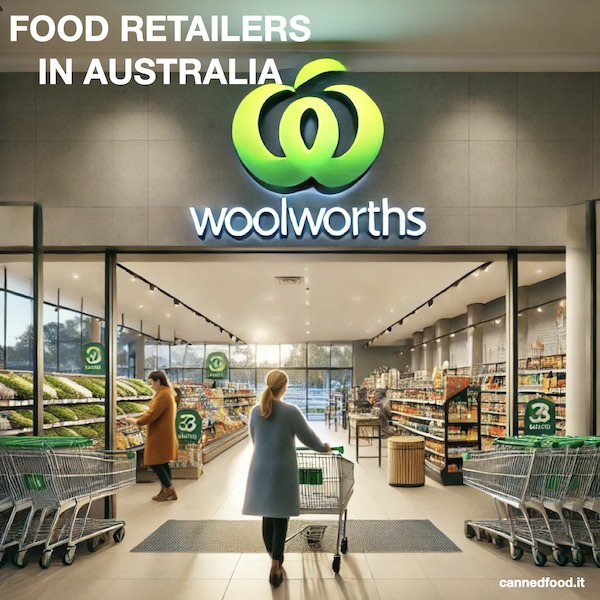
Country Overview

Food Distribution and Retail Network in Australia
Australia’s food distribution network for large-scale retail trade is a sophisticated system involving major supermarket chains, independent retailers, local producers, imported goods and advanced logistics infrastructure.
The network is designed to serve a vast and geographically diverse country, combining centralized distribution centres, long-distance transport, regional partnerships and increasingly developed online grocery services.
Main Store Formats and Channels
- Major supermarket chains: national grocery networks serving urban, suburban and regional markets.
- Discount supermarkets: price-focused stores with lean operations and strong private-label assortments.
- Independent supermarkets: locally owned stores supported by shared wholesale and distribution networks.
- Warehouse clubs: membership-based stores selling bulk food and consumer products.
- Fresh food specialists: retailers focused on produce, fresh food and local sourcing.
- Online grocery: home delivery and click-and-collect services from major chains.
Key Market Characteristics
- Large-scale logistics: distribution centres are positioned around major cities such as Sydney, Melbourne, Brisbane and Perth.
- Long-distance transport: road and rail are essential for intercity and regional distribution, with specialized solutions for remote areas.
- Cold chain management: refrigerated storage and transport are critical for fresh produce, meat, dairy and other perishable products.
- Local sourcing: Australian-grown produce, meat and dairy products are important for consumers and retailers.
- Sustainability: retailers are investing in waste reduction, recyclable packaging, efficient logistics and responsible sourcing.