General info
Spain has a population of about 47 million and a diverse agricultural base that supports a dynamic food industry. The canned food sector contributes significantly to exports, especially in seafood, vegetables, and ready-to-eat products.
Key aspects of the industry include:
1. Diversity of Products: From traditional seafood to gourmet vegetable preserves.
2. Export Orientation: Spanish canned goods are distributed across Europe, the Americas, and Asia.
3. Innovation and Quality: Focus on PDO/PGI-labeled ingredients and BPA-free cans.
4. Leading Regions: Galicia, Navarre, La Rioja, Andalusia, and Valencia.
5. Tradition & Modernization: Many family-run companies combine artisanal recipes with modern production lines.
Overall, Spain’s canned food production is a strong example of how traditional Mediterranean flavors meet technological innovation and global standards.
The most important canned food packed in Spain for export is canned seafood. Spain is one of the world's leading producers and exporters of premium-quality canned seafood products. Some of the most notable items include:
1. Canned Tuna: Spain is a major exporter of canned tuna, particularly in olive oil, which is highly valued for its flavor and quality.
2. Sardines: Spanish canned sardines are sought after globally for their taste and high standards of preservation.
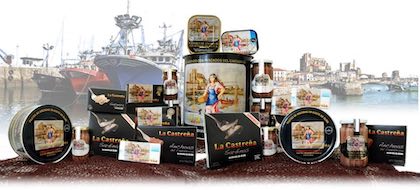
3. Anchovies: Spain is renowned for its canned anchovies, especially from regions like Cantabria, where they are delicacies.
4. Octopus, Squid, and Mussels: Canned octopus, squid in its ink, and mussels in escabeche (a tangy marinade) are also highly popular Spanish exports.
5. Clams and Razor Clams: These are often canned and exported as premium delicacies.
Mussels, cockles, razor clams, clams, and scallops from the Galician estuaries; tuna, melva, and mackerel from the Andalusian coast; and anchovies and bonito from the Cantabrian coast. Spain's rich marine life, with its coasts bathed by the Cantabrian and Mediterranean seas, and the Atlantic Ocean, makes for an incredible variety of canned fish and seafood products.
Spanish canned seafood is processed under strict quality standards, ensuring superior taste and preservation.Spain has centuries of expertise in seafood canning, with companies in Galicia (northwest Spain) being world leaders.
While seafood leads the way, Spain also exports other canned foods like vegetables (e.g., piquillo peppers, artichokes, olives) and legumes (e.g., chickpeas, lentils), but these are secondary to seafood in importance.
Spanish olives are a significant product for export and one of the most important canned foods exported by Spain. Spain is the world's largest producer and exporter of olives, particularly table olives (those eaten directly) and olive oil. Here's a closer look at the importance of Spanish olives in the global market.
The most common types of Spanish olives exported include:
- Manzanilla: A small, round, and green olive variety popular for its mild and slightly nutty flavor, commonly used in salads and as appetizers.
- Arbequina: A smaller, brownish-red variety with a fruity flavor, often used both for table consumption and olive oil production.
- Picual: A larger, robust-flavored olive, primarily used for producing olive oil but also exported as a table olive in certain markets.
- Hojiblanca: Known for its unique flavor, often a balance of sweet and bitter, also used for both table olives and olive oil.
2. Export Volume: Spain consistently ranks as the world's leading exporter of olives, accounting for over 50% of global exports. The most important export markets include:
- Europe (particularly Italy, France, and the UK)
- United States
- Japan and other parts of Asia
- Middle East
3. Preservation and Packaging: Spanish olives are exported in various forms, including:
- Canned olives : Often packed in brine, vinegar, or olive oil, ensuring long shelf life and preservation of flavor.
- Jarred olives: A more premium packaging option.
- Vacuum-packed or marinated olives: With herbs and spices for added flavor.
Thus, Spanish olives, whether in the form of canned olives or fresh, are an integral part of Spain's agricultural exports, celebrated for their quality, taste, and culinary versatility.